Understanding Mold and Its Impact in West Vancouver
In the damp environment of West Vancouver, the threat of mold is ever-present. Mold is a type of fungus that thrives in moist conditions and can pose significant risks to both health and property. Given the region’s unique climatic characteristics - particularly its rain and humidity levels - understanding mold, its implications, and the importance of thorough remediation is essential for homeowners and business owners alike. When exploring options, Mold Remediation West Vancouver provides comprehensive insights into effective solutions for this pervasive problem.
What is Mold and Why It Matters
Mold is a simple organism that exists as a spore in various environments, often found indoors and outdoors. It can be beneficial, contributing to the decomposition of organic materials, but it becomes problematic when it grows uncontrollably inside homes. Mold reproduces through tiny spores that float through the air, and when these spores land on damp surfaces, they can start to grow. The primary concern with mold in indoor spaces is its potential to cause various health problems and structural damage to properties if not addressed promptly.
Health Risks Associated with Mold Exposure
Exposure to mold can lead to a variety of health issues. Individuals with mold allergies may experience symptoms such as sneezing, runny or stuffy nose, coughing, and skin irritation. More serious reactions can occur in people with respiratory conditions, compromised immune systems, or other health issues. Prolonged exposure to mold can also lead to chronic respiratory problems, fatigue, and even neurological effects, making it critical to address mold issues swiftly.
Common Types of Mold Found in Vancouver Homes
Vancouver homes are susceptible to several types of mold, each with its own implications:
- Aspergillus: Common in homes, this mold can lead to respiratory issues.
- Penicillium: Often found on damp materials, it can cause allergic reactions.
- Stachybotrys chartarum (Black Mold): Known for its toxic properties, it can pose severe health risks.
- Cladosporium: Found in air and soil, it can lead to allergic reactions and asthma attacks.
The Mold Remediation Process Explained
The process of mold remediation is methodical and is designed to ensure that the mold is removed effectively while preventing future growth. It involves several critical steps that address both the symptom and the cause of mold growth.
Initial Inspection and Assessment Procedures
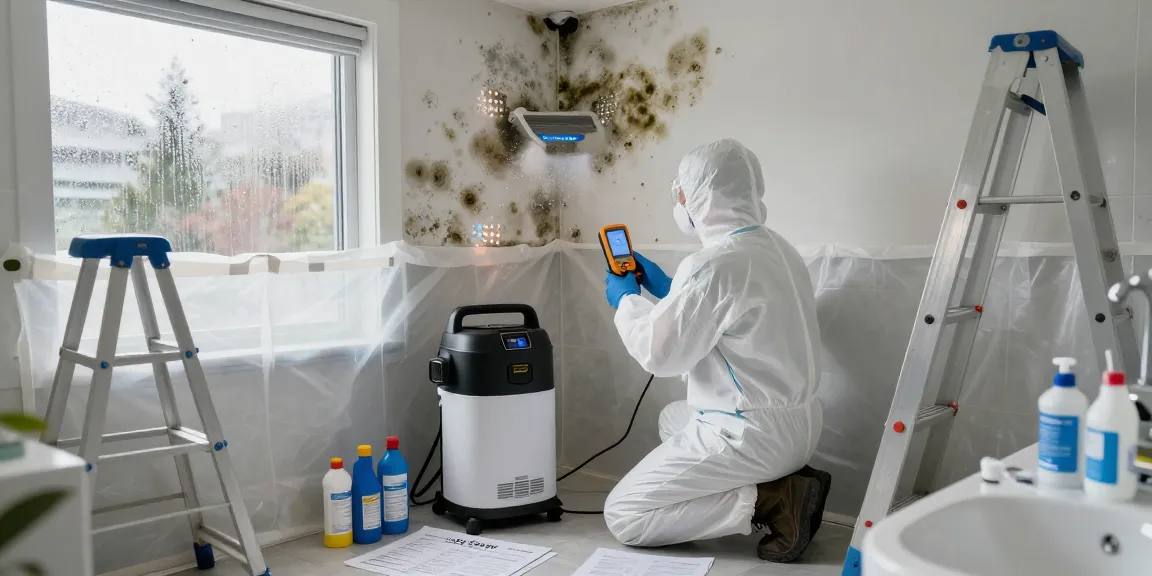
The first step in any mold remediation effort is conducting a thorough inspection and assessment of the affected areas. Professionals use advanced tools, such as moisture meters and thermal imaging cameras, to identify hidden mold sources that may not be immediately visible. This initial assessment helps to create a detailed remediation plan tailored to the specific needs of the property.
Effective Mold Removal Techniques
Once the assessment is complete, the actual mold removal process begins. This can involve:
- Containment: Isolating the affected area to prevent spores from spreading.
- HEPA Filtration: Using high-efficiency particulate air filters to capture airborne mold spores.
- Surface Cleaning: Using specialized antifungal and antimicrobial treatments to eliminate mold colonies from surfaces.
- Material Removal: Disposing of heavily infested materials such as drywall, carpets, or wood.
Post-Remediation Cleanup and Repairs
After mold removal, it is crucial to conduct a post-remediation cleanup. This may include repairing any structural damage caused by mold and applying preventive measures to ensure mold doesn’t return. Regular inspections and maintenance play a vital role in this phase to keep the environment mold-free.
Identifying Mold Growth: Signs and Symptoms
Being able to identify mold growth early can make a significant difference in the remediation process and its overall costs. Homeowners should be vigilant in recognizing the signs of mold in their properties.
Common Signs of Mold Infestation in Homes
Signs of mold can be quite apparent or can often go unnoticed:
- Visible Mold: Black spots, green patches, or fuzzy growths on walls or ceilings.
- Musty Odors: A persistent damp smell is a strong indicator that mold may be present.
- Water Damage: Signs of past leaks or humidity can lead to mold growth.
How to Detect Hidden Mold Sources
Hidden mold can be more challenging to detect. Homeowners should check areas such as:
- Behind drywall
- Under carpets
- Inside HVAC systems
- In attics and crawl spaces
Utilizing professional mold inspection services is highly advisable for locating hidden sources of mold.
When to Seek Professional Help for Mold Issues
If you discover mold in your home, the best course of action is often to seek professional help, particularly if it covers an area larger than a square meter, or if you suspect it links to water damage. Professionals not only possess the expertise needed to effectively handle the situation but also access to advanced equipment for thorough removal.
Preventative Measures Against Mold in West Vancouver
Prevention is a crucial element in avoiding mold infestations. Here are best practices for keeping your property mold-free:
Best Practices for Moisture Control
Since mold thrives in damp environments, controlling moisture is paramount. Homeowners should:
- Repair leaks promptly.
- Use dehumidifiers in areas prone to dampness.
- Ensure proper drainage around the foundation of the home.
Ventilation Tips for Damp Areas
Good ventilation can significantly decrease humidity levels. Utilize exhaust fans in kitchens and bathrooms and consider installing vents in attics and crawl spaces to ensure adequate air circulation.
Regular Maintenance for Mold Prevention
Conduct regular maintenance checks in vulnerable areas of your home. This includes inspecting the roof, gutters, and windows for potential water intrusion, as well as cleaning and repairing HVAC systems to improve air quality.
FAQs About Mold Remediation in West Vancouver
How long does mold remediation take?
The duration of the remediation process can vary depending on the extent of the mold infestation. Generally, small to moderate projects can take a few days, while more extensive issues may require a week or more to address.
Can I stay in my house during the mold removal process?
It depends on the severity of the mold growth. For minor infestations, it may be safe to remain in the house, but for larger infestations, it is advisable to vacate the premises to avoid exposure to spores.
How much does professional mold remediation in Vancouver cost?
The cost of remediation can vary widely based on factors such as the size of the affected area, the severity of the mold, and the specific methods employed. On average, costs can range from a few hundred to several thousand dollars.
What are the signs that I need mold remediation?
Key indicators that may suggest the need for remediation include visible mold growth, musty odors, water damage, and health symptoms that seem to worsen indoors.
How can I prevent mold from coming back?
Preventing mold from returning involves maintaining moisture levels, ensuring proper ventilation, and conducting regular inspections to identify potential problem areas before they become severe.