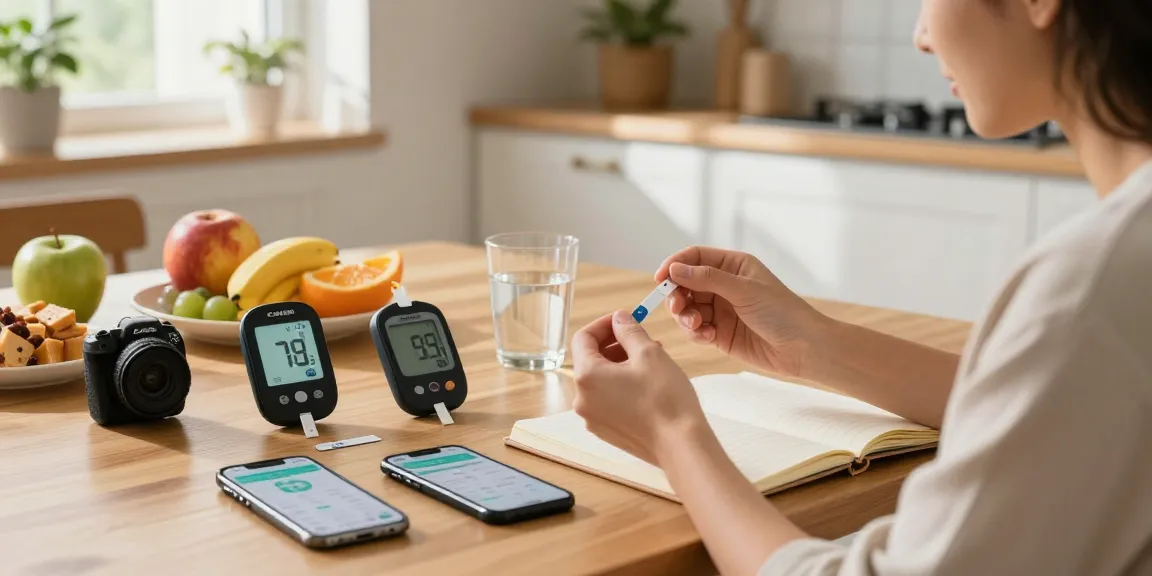
The Evolution of Glucose Monitoring Technology
In recent years, the landscape of diabetes management has undergone a remarkable transformation, fueled by advancements in technology and a deeper understanding of blood glucose monitoring. With the rise of devices and tools designed to streamline testing and enhance accuracy, individuals living with diabetes now have unprecedented access to support for managing their condition. Notably, the introduction of contour next test strips has played a crucial role in this evolution, representing a shift towards more reliable and user-friendly solutions.
Understanding Blood Glucose Levels and Their Importance
Blood glucose levels are a critical measure for individuals with diabetes, influencing how they manage their health on a daily basis. Hyperglycemia, or high blood sugar, can lead to serious complications if left unchecked, while hypoglycemia, or low blood sugar, poses immediate risks. Regular monitoring enables individuals to make informed decisions about their diet, exercise, and medication, ensuring optimal health management.
Advancements in Contour Next Test Strips
The Contour Next line of test strips has evolved significantly to enhance accuracy and ease of use. Equipped with advanced technologies, these strips require a small sample size and deliver remarkably fast results, allowing users to obtain essential information quickly. This innovation not only helps in timely decision-making but also reduces the discomfort associated with blood sampling.
Comparative Analysis: Traditional vs. Modern Monitoring
Historically, blood glucose monitoring involved cumbersome equipment and lengthy processes that often discouraged consistent testing. Traditional methods relied heavily on older technologies, leading to variability in results and user frustration. In contrast, modern solutions, particularly the contour next test strips, offer consistent accuracy and user-friendly features that encourage regular testing and healthier lifestyle choices.
Benefits of Using Contour Next Test Strips
Accuracy and Reliability in Blood Sugar Testing
One of the standout features of Contour Next test strips is their unparalleled accuracy. Clinical studies have demonstrated that these strips provide results that align closely with laboratory tests, ensuring that users can trust their readings. This reliability is vital for making informed decisions regarding insulin dosage and meal planning.
User-Friendly Features and Accessibility
Contour Next test strips are designed with the end-user in mind. Their packaging is easy to open, and the strips themselves are compatible with a variety of glucose meters. Additionally, the color-coded control solution simplifies quality checks, ensuring users can easily verify their test strip performance.
Cost-Effectiveness of Continuous Monitoring Options
For many users, the cost of diabetes management can be a significant concern. Contour Next test strips are competitively priced, making them an accessible option for regular monitoring. Their durability and reliability reduce the risk of costly errors, ultimately leading to better health outcomes and potentially lower long-term healthcare costs.
Best Practices for Blood Glucose Management
Integrating Contour Next Test Strips into Daily Routine
Incorporating blood glucose testing into daily life can be challenging. However, developing a consistent testing schedule empowers individuals to monitor their levels effectively. Utilizing Contour Next test strips, users can seamlessly integrate testing into their routine, whether before meals or at specific times during the day.
Documenting and Interpreting Test Results
Accurate documentation of blood glucose readings is essential for understanding trends and making informed decisions. Keeping a detailed log allows users to identify patterns in their blood sugar levels and adjust their management strategies accordingly. Many modern glucose meters work in tandem with smartphone apps, offering easy tracking and analysis of test results.
Healthy Lifestyle Choices for Optimal Results
Beyond testing, maintaining a healthy lifestyle is integral to effective diabetes management. A balanced diet rich in whole foods, regular physical activity, and stress management techniques can significantly influence blood sugar levels. Emphasizing the importance of a holistic approach empowers users to take control of their health.
Overcoming Common Challenges in Diabetes Management
Addressing Misconceptions About Blood Glucose Testing
Many individuals harbor misconceptions about blood glucose testing, leading to anxiety and avoidance. It is crucial to demystify the process, emphasizing that modern testing methods, such as those offered by Contour Next, are quick, minimally invasive, and provide essential health information without undue stress.
How to Stay Motivated in Your Health Journey
Maintaining motivation in managing diabetes can be challenging, especially during difficult times. Setting achievable goals, celebrating small victories, and seeking support from healthcare professionals or peer groups can foster resilience and maintain focus on long-term health objectives.
Support Resources and Community Engagement
Engaging with diabetes support communities can provide individuals with valuable insights and encouragement. Whether through online forums, local support groups, or educational programs, connecting with others facing similar challenges can enhance motivation and share effective strategies for management.
The Future of Diabetes Care: Trends and Innovations
Emerging Technologies in Glucose Monitoring
The future of diabetes management is bright, with emerging technologies promising to further enhance the precision and ease of blood glucose monitoring. Continuous glucose monitoring (CGM) systems are becoming increasingly sophisticated, with innovations including real-time data analysis and integration with personal health devices.
Predictions for 2026: The Next Era of Health Management
As we move towards 2026, the diabetes management landscape is expected to see significant advancements. Innovations in digital health, artificial intelligence, and personalized medicine will likely result in more effective monitoring devices and treatment plans tailored to individual needs.
Expert Insights on Future Products from Contour Next
Experts predict that Contour Next will continue to lead the market in providing advanced solutions for glucose monitoring. Anticipated features may include enhanced connectivity with mobile applications, which will facilitate seamless data tracking and sharing between patients and healthcare providers.
What are the main features of Contour Next test strips?
Contour Next test strips are designed with several key features: they require a tiny blood sample, deliver results in seconds, and include advanced accuracy technology. Additionally, they are compatible with various meters, ensuring versatility in testing.
How do I use Contour Next test strips accurately?
To use Contour Next test strips accurately, ensure that your hands are clean and dry. Apply a small blood sample to the designated area on the strip, wait for the meter to display your reading, and document the results for future reference.
Can Contour Next test strips be used with any glucose meter?
No, Contour Next test strips are specifically designed to work with Contour Next glucose meters. Using them with other meters may result in inaccurate readings.
What are the costs associated with using Contour Next test strips?
The cost of Contour Next test strips can vary depending on the retailer and local healthcare policies. Many insurance plans cover a portion of the cost, and users should consult their healthcare provider for the best options available.
How often should blood glucose be tested?
The frequency of blood glucose testing can depend on individual health needs and the type of diabetes management plan in place. It is generally recommended to test before meals and at bedtime, as well as after significant lifestyle changes or health events.